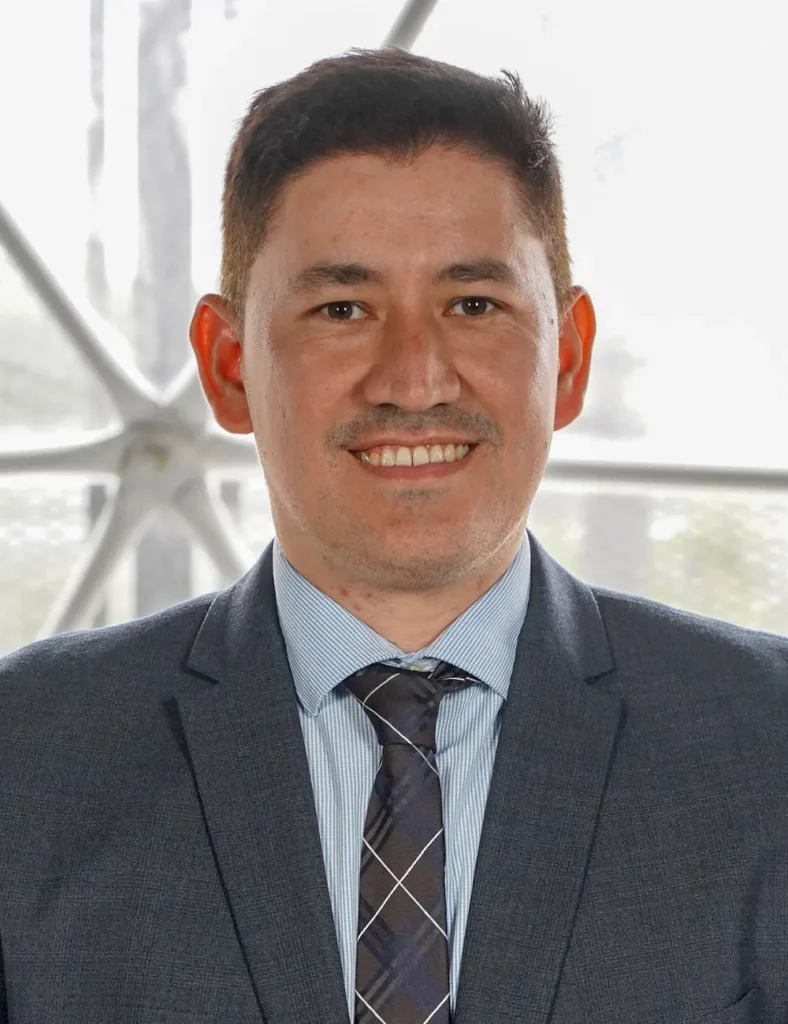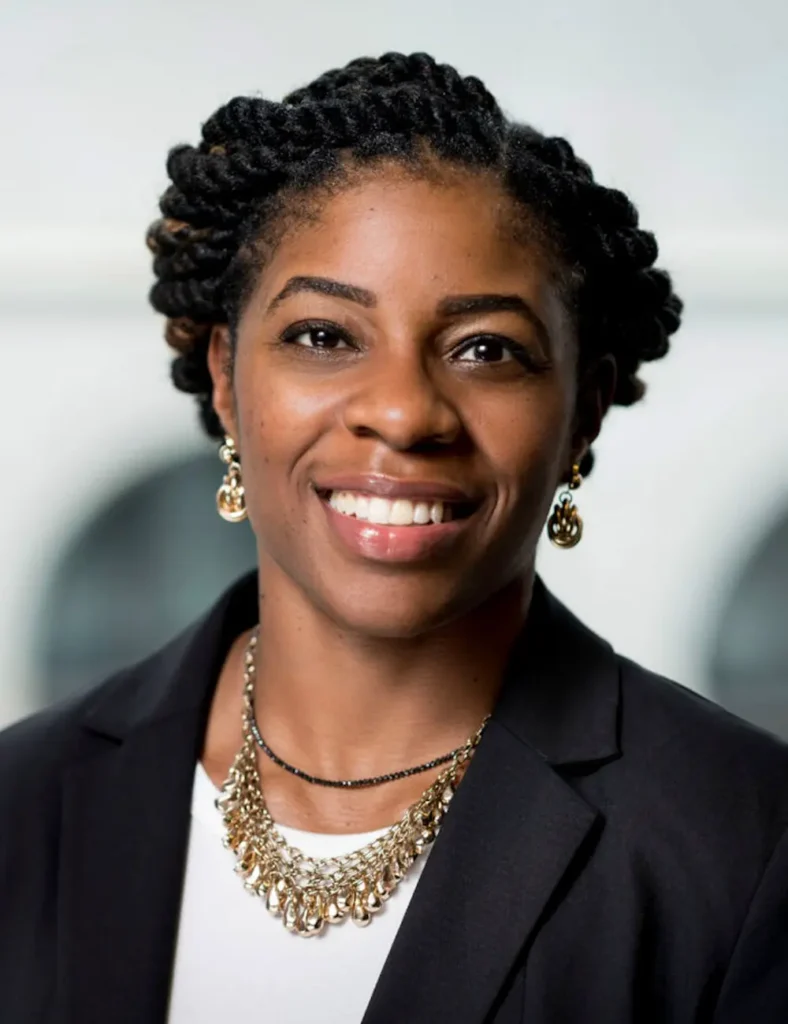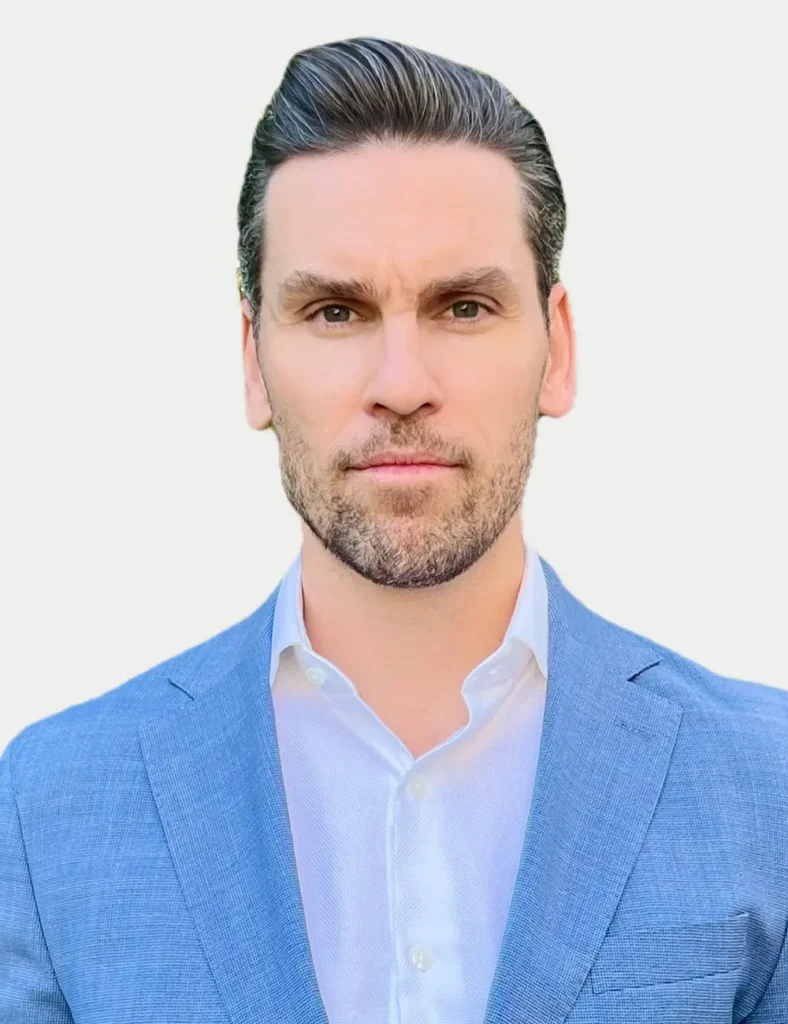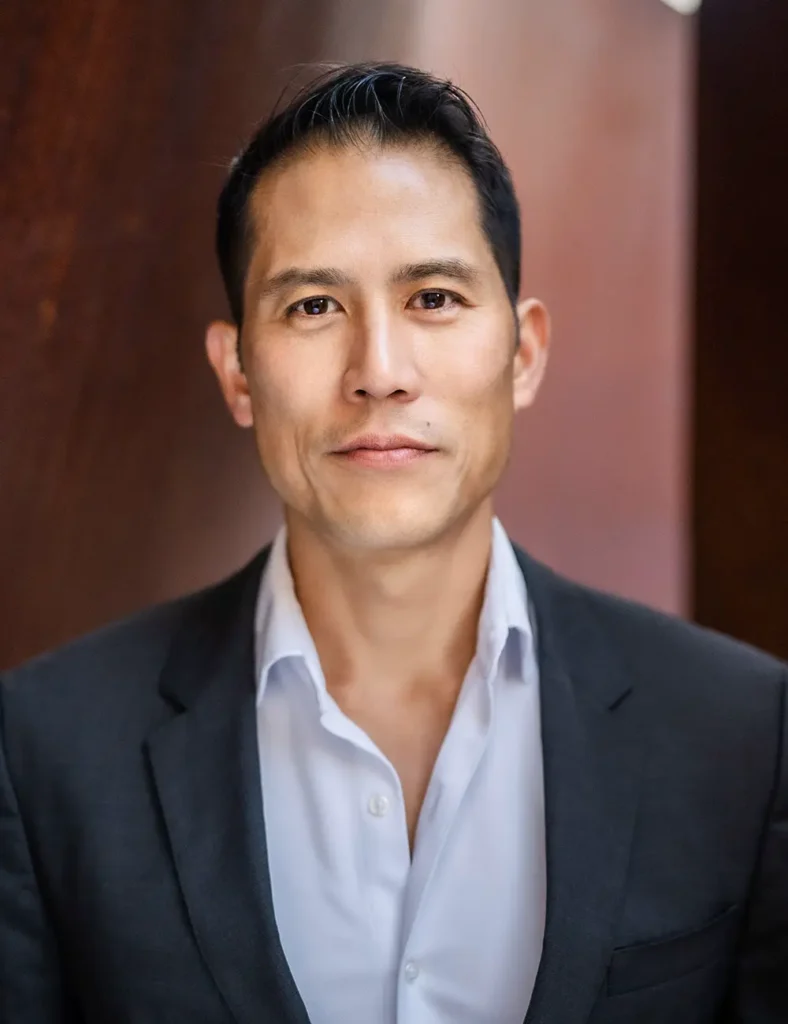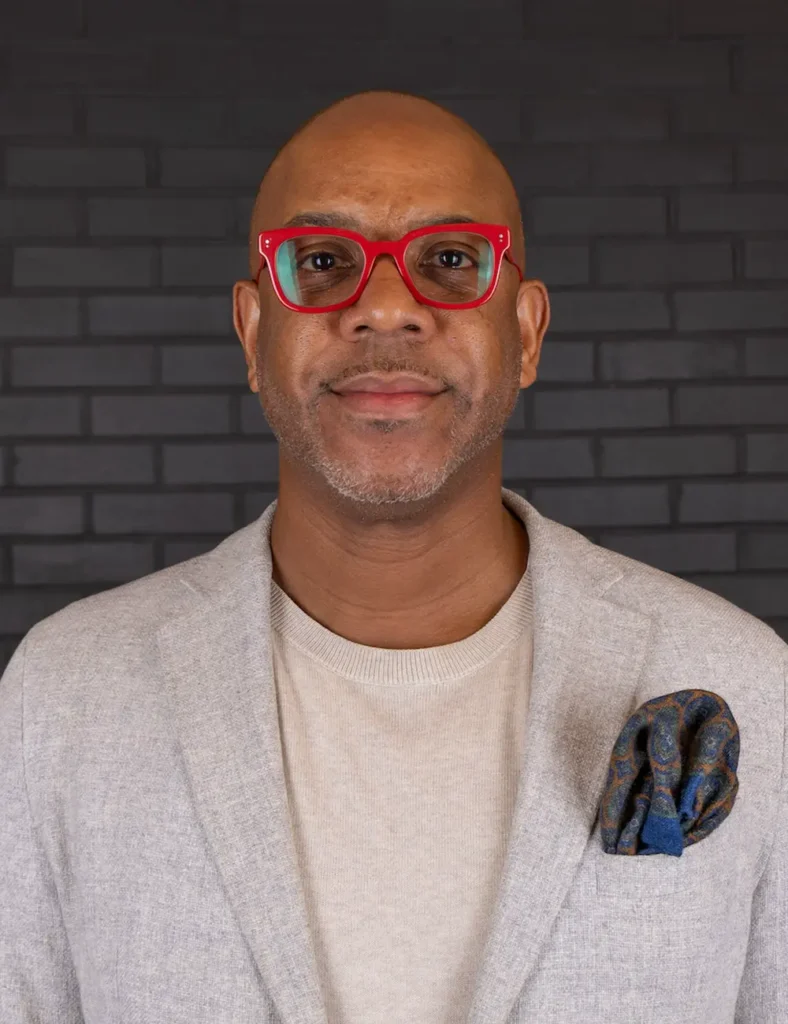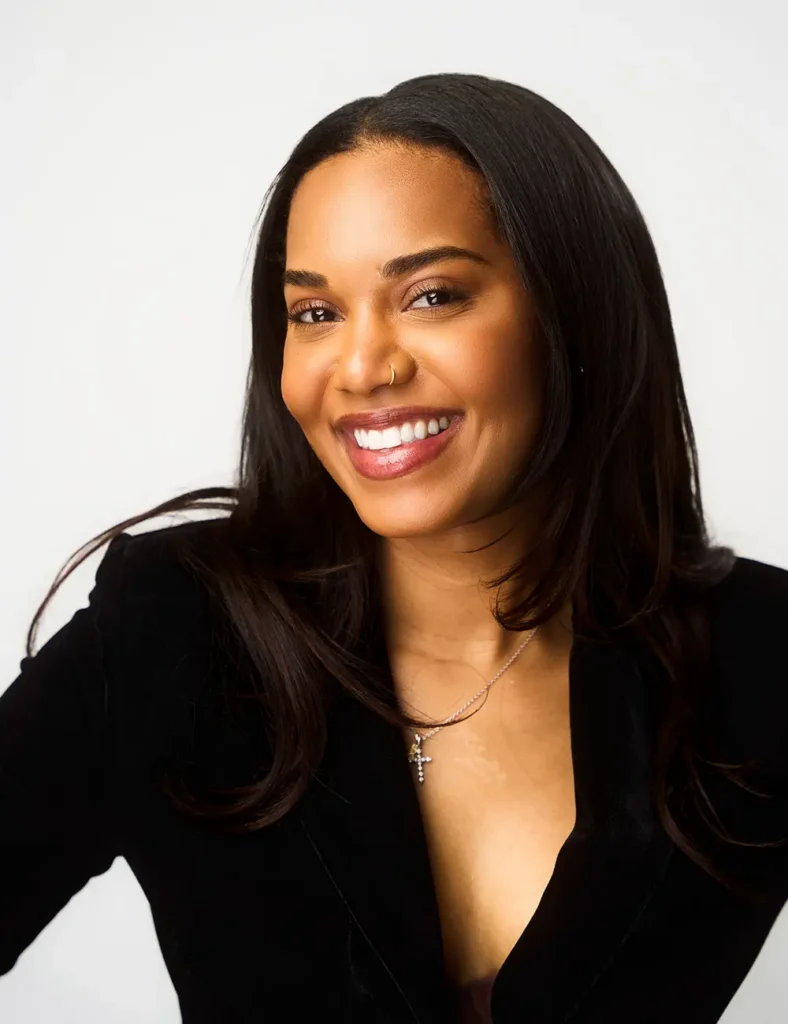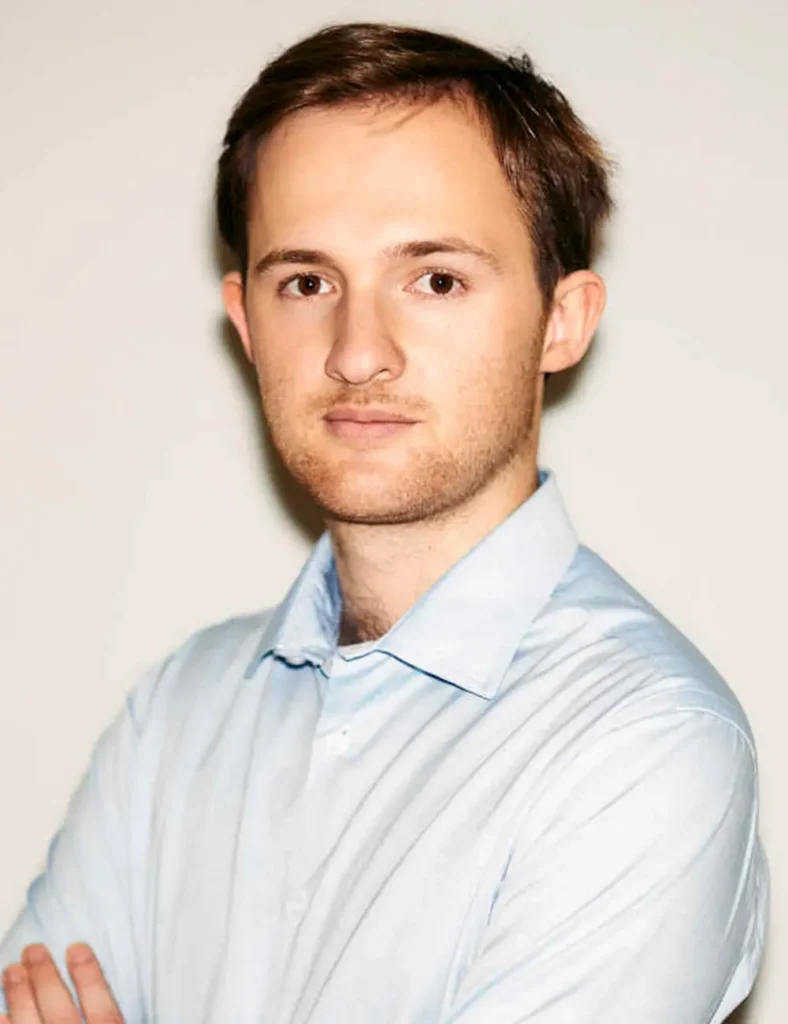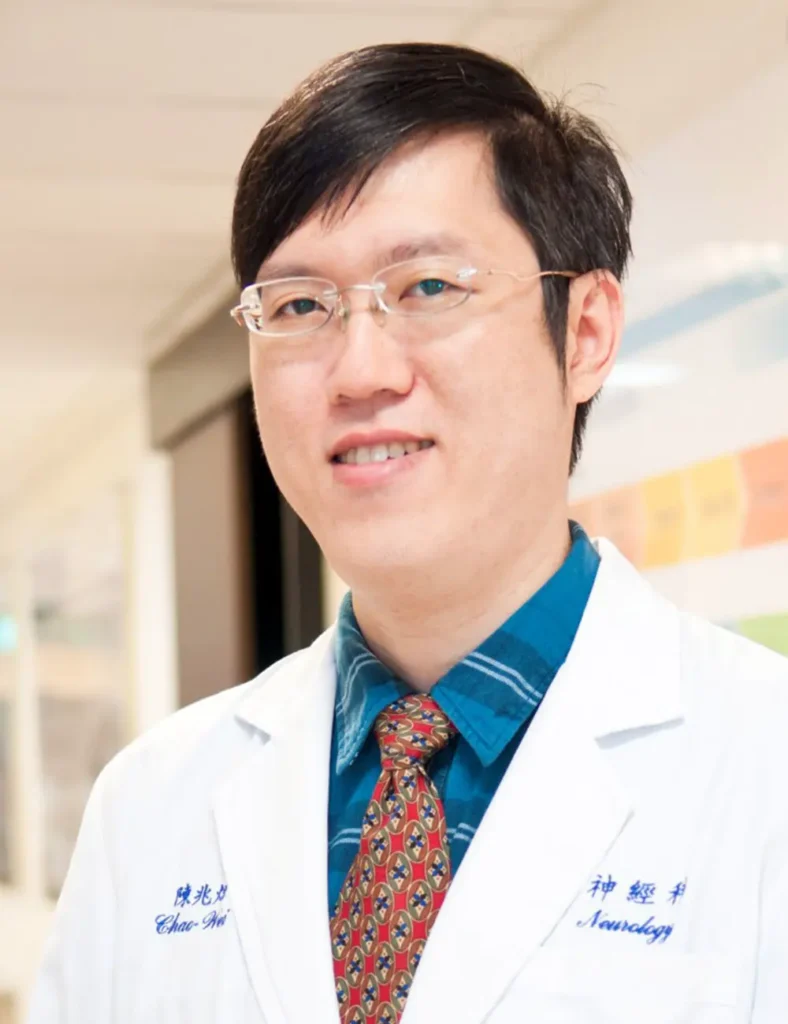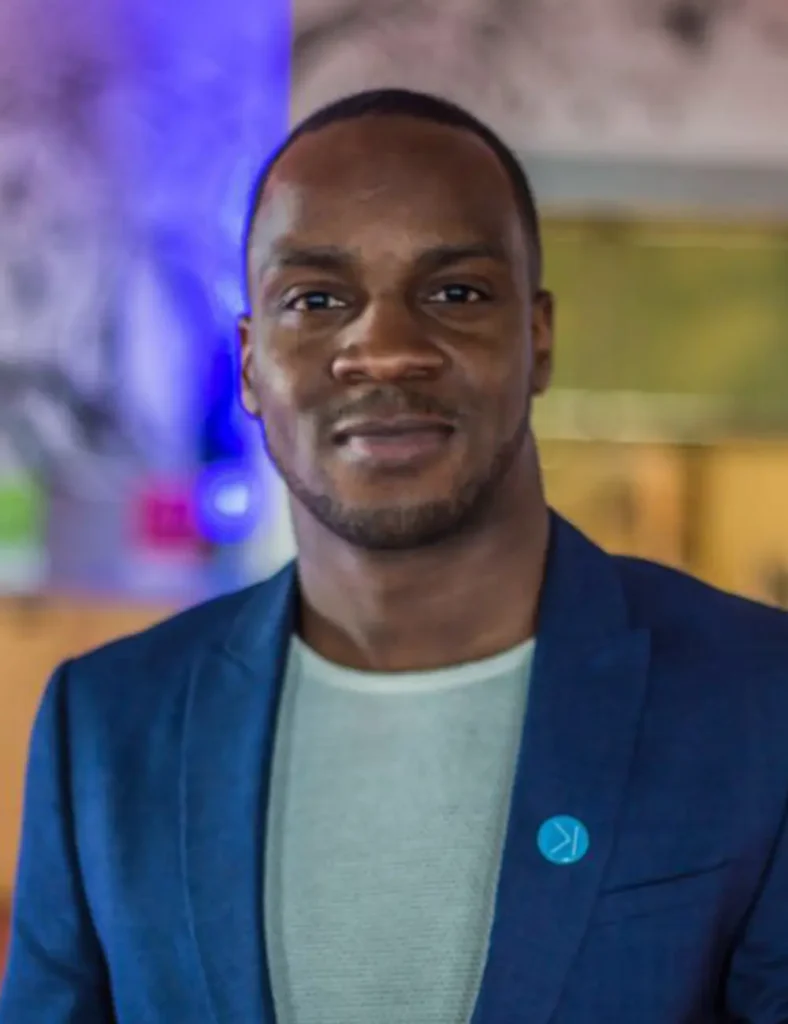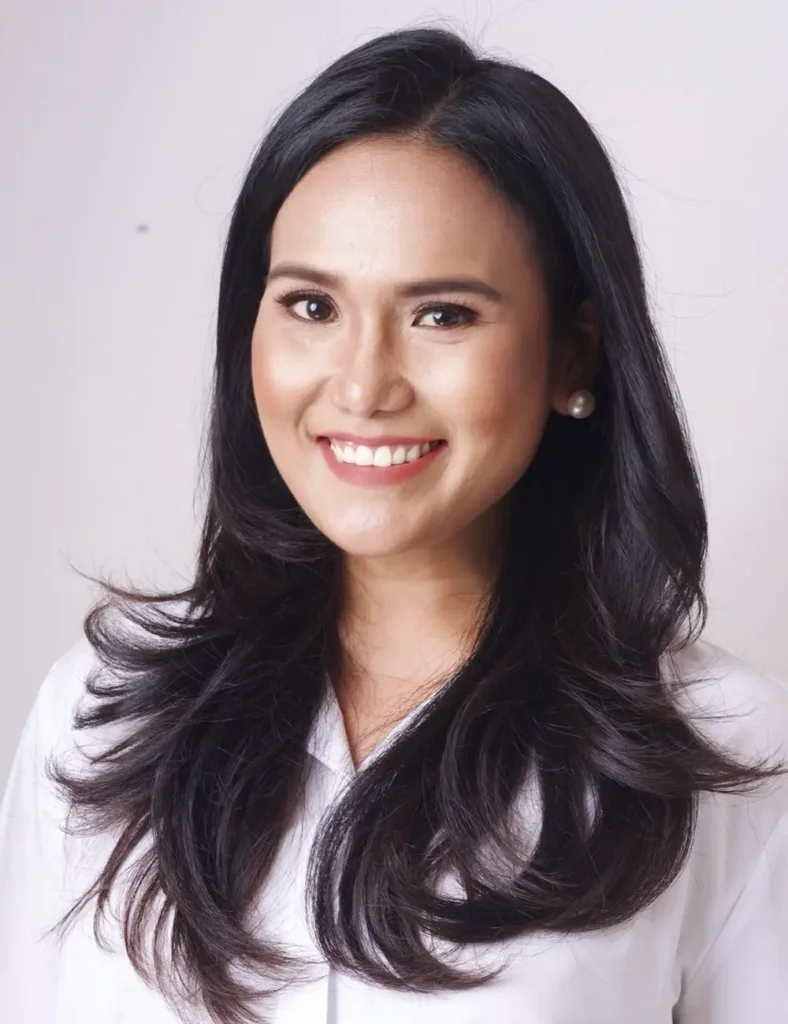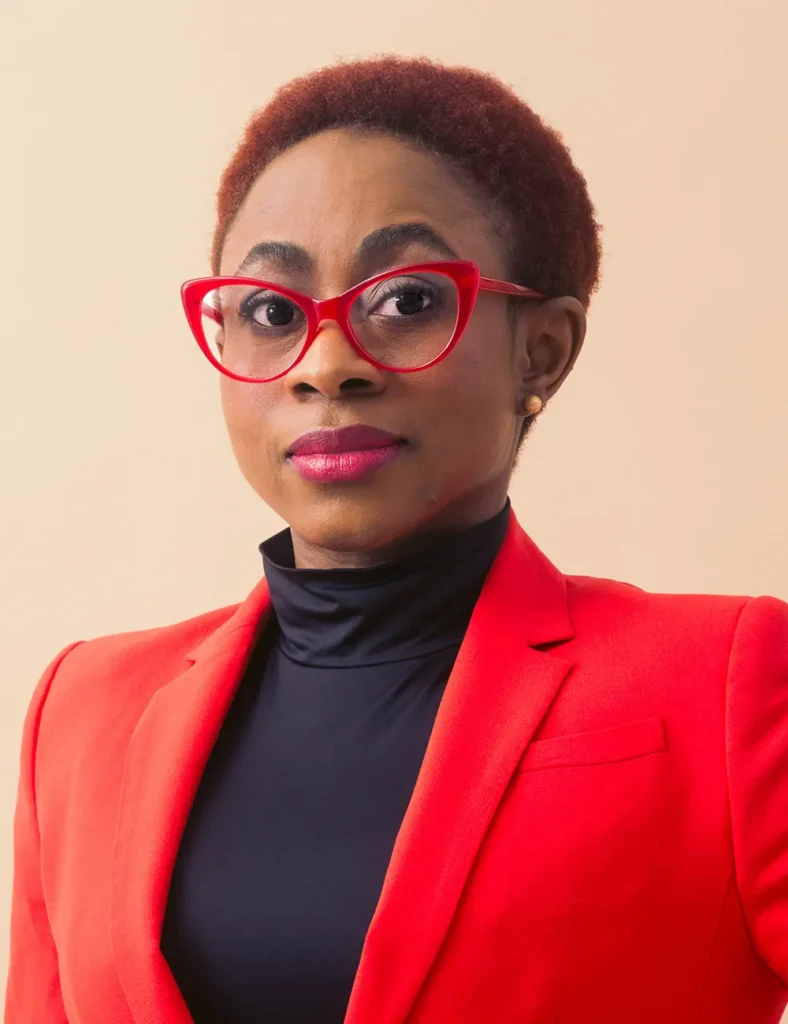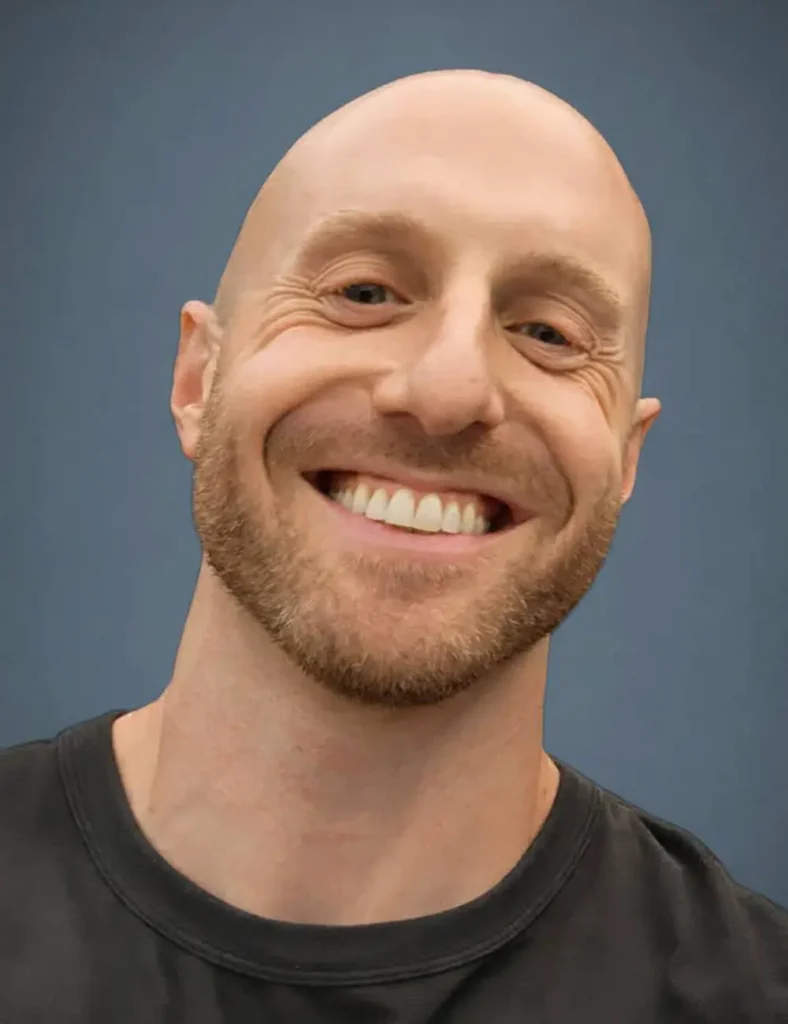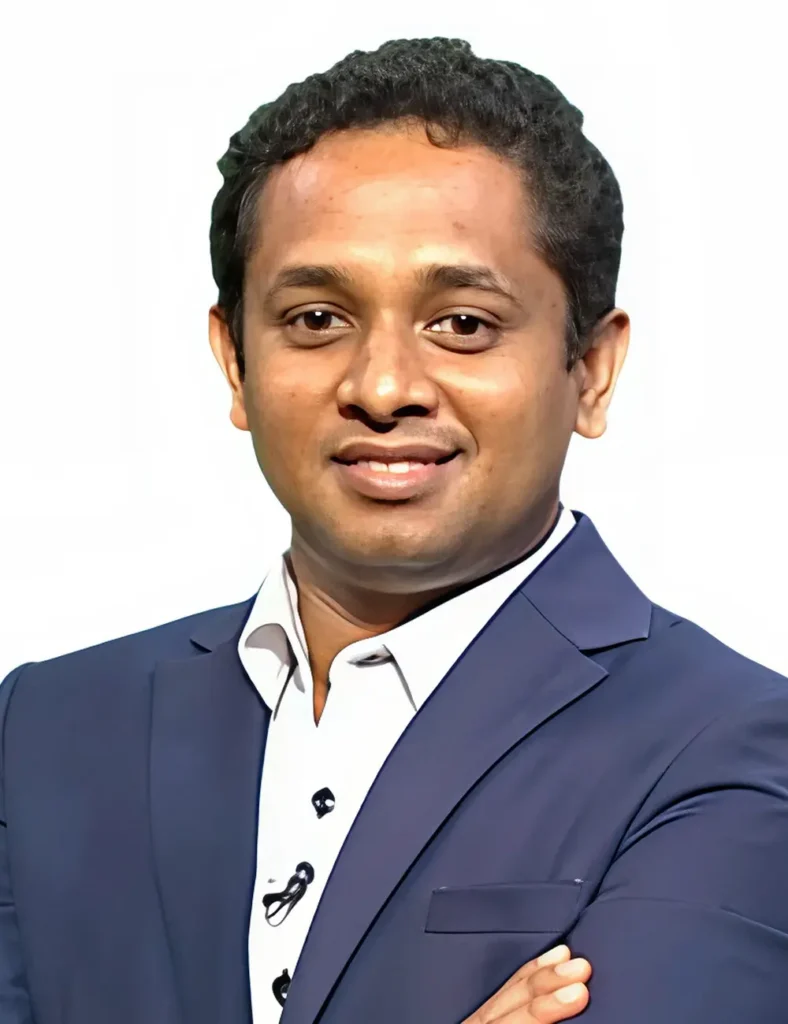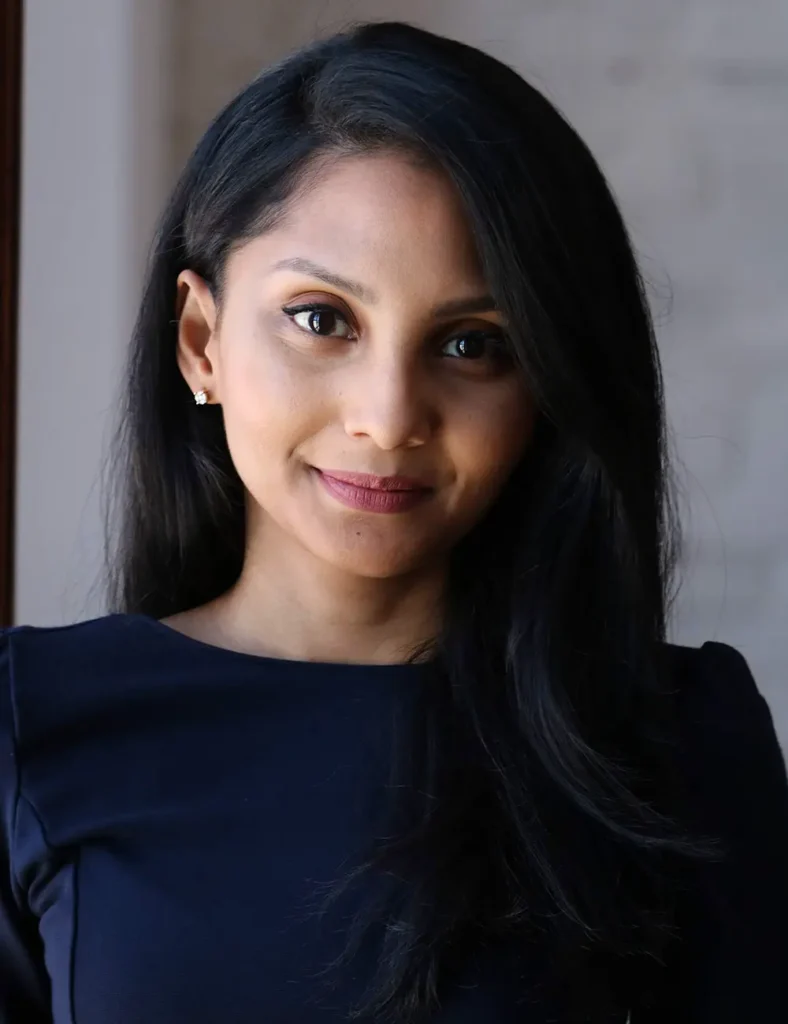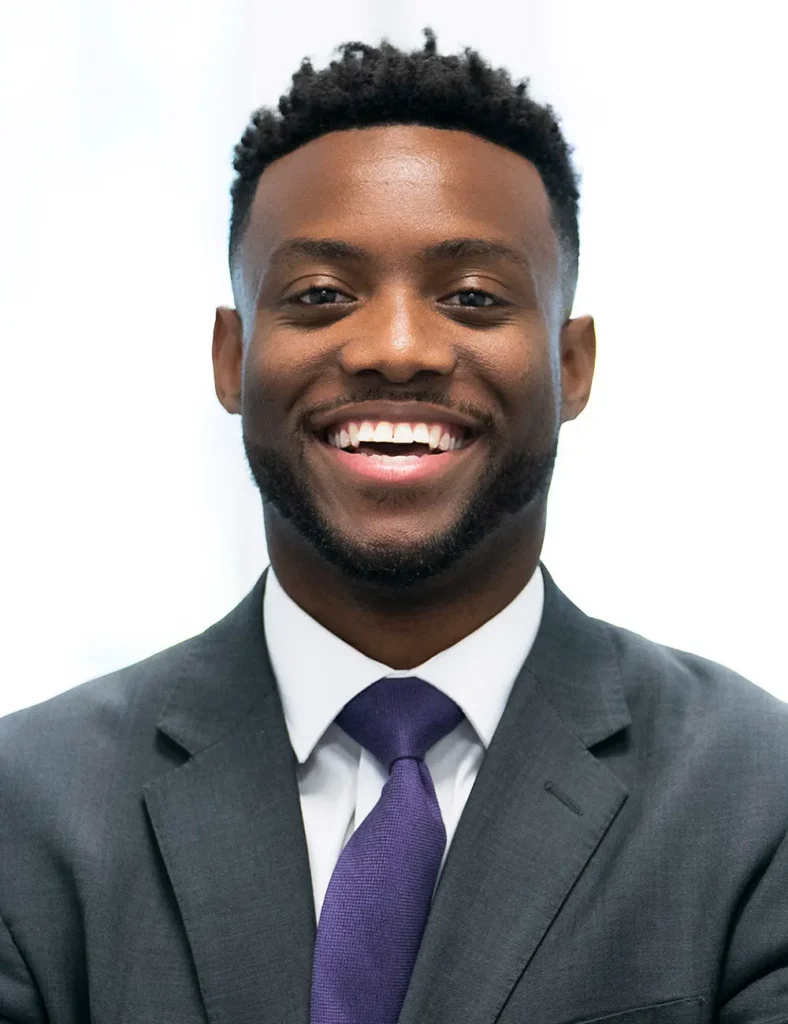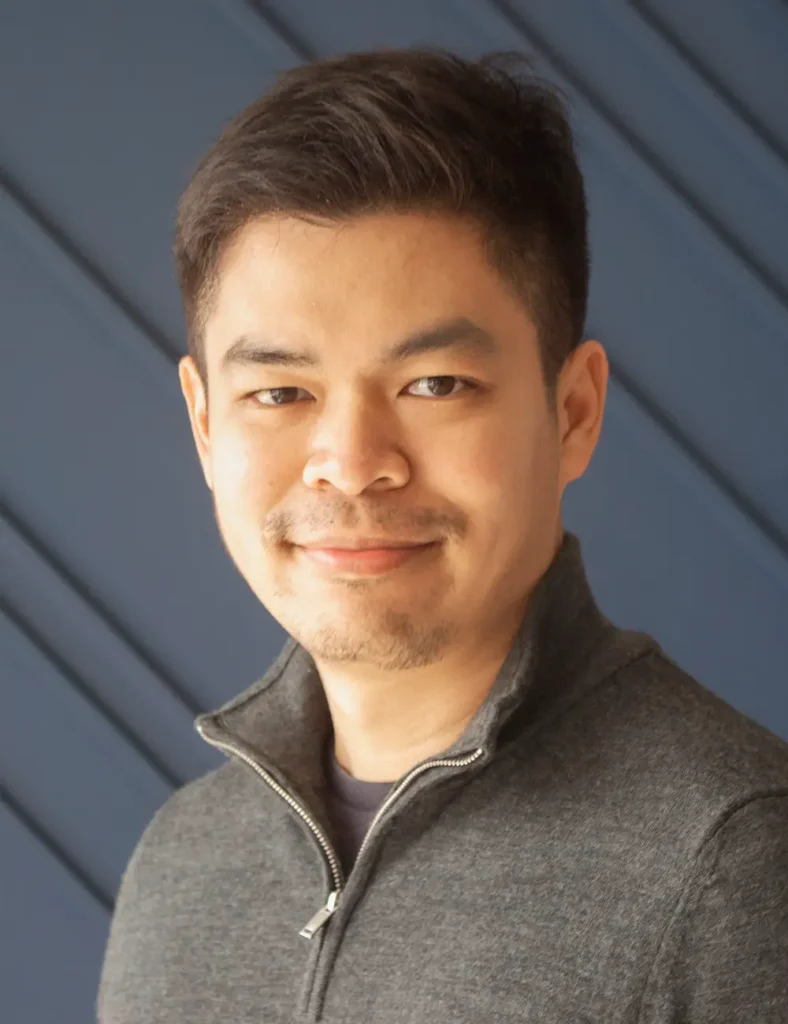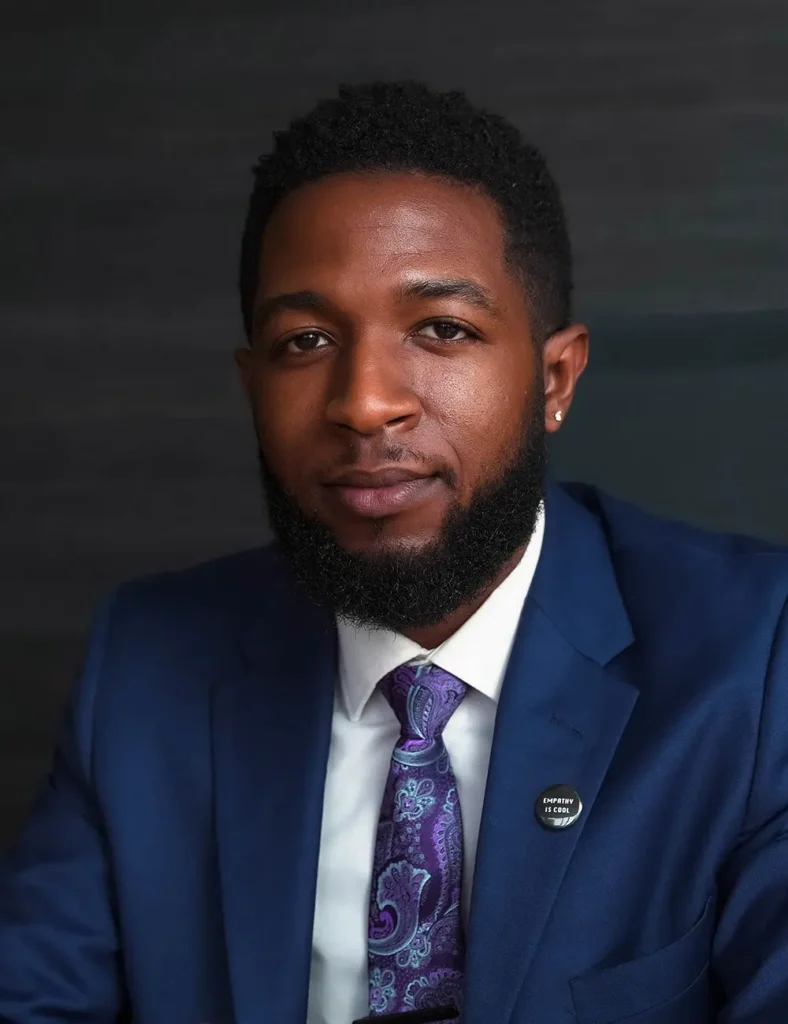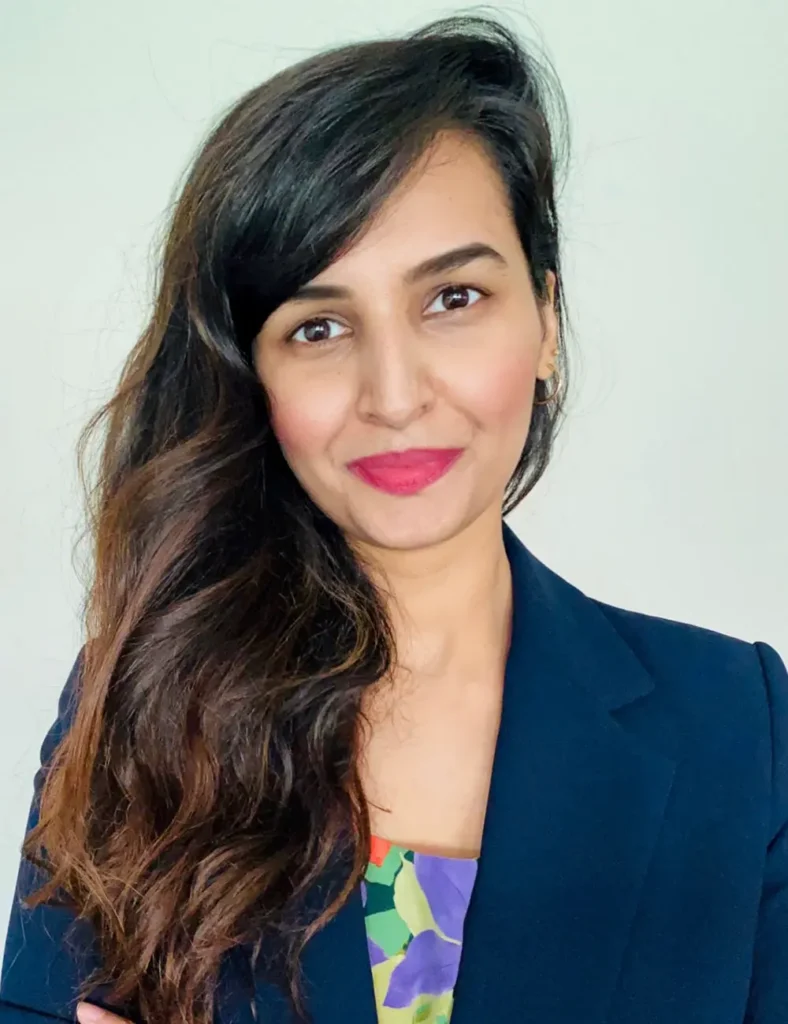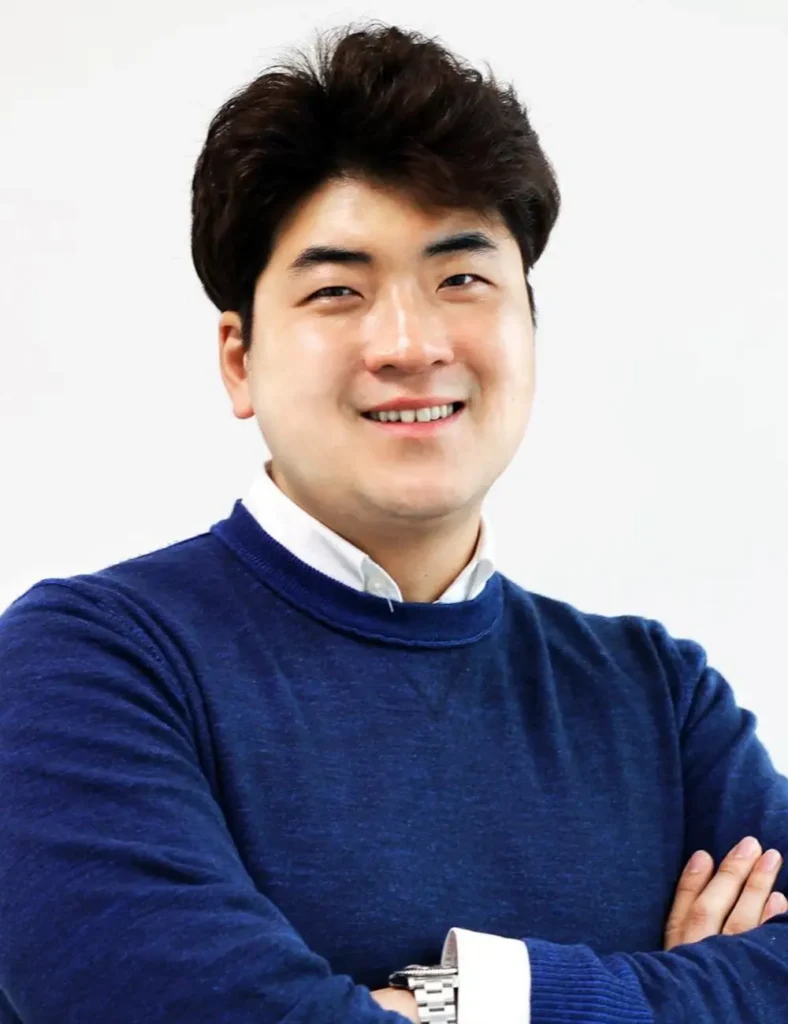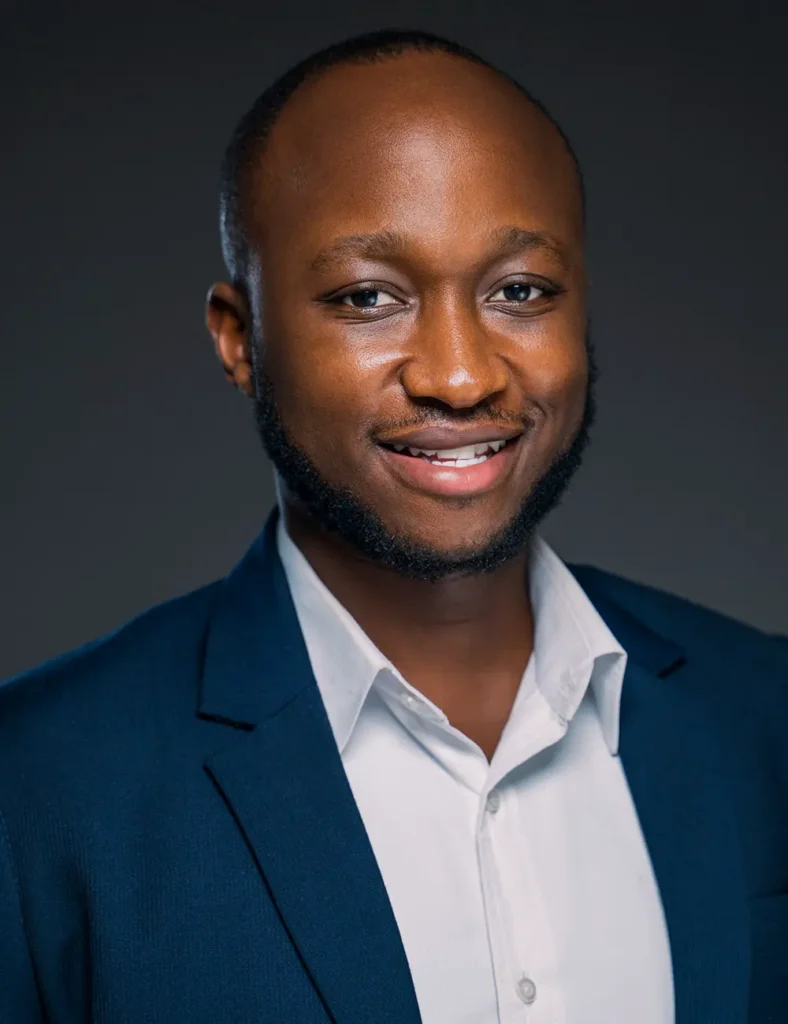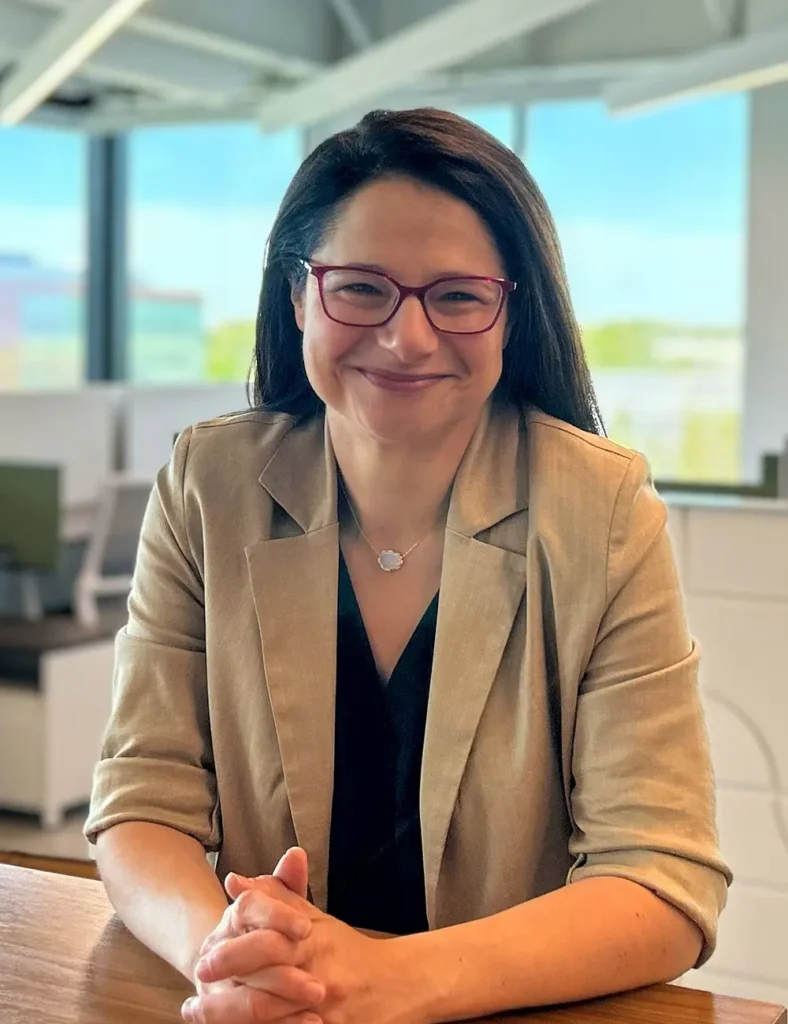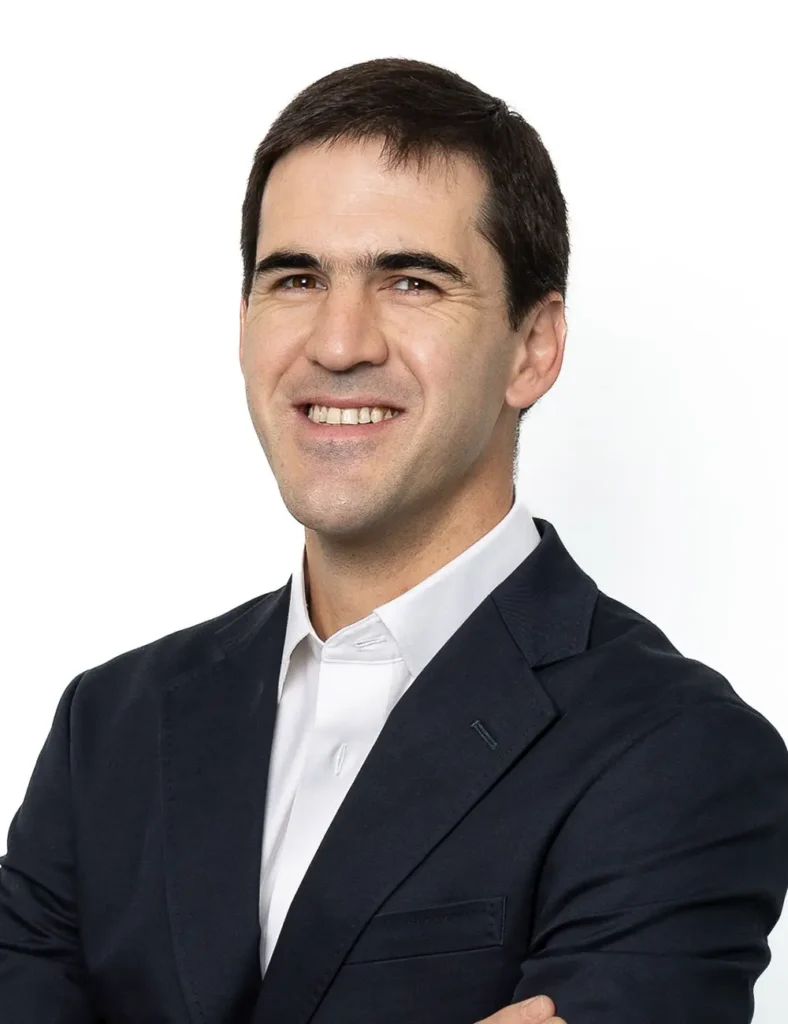

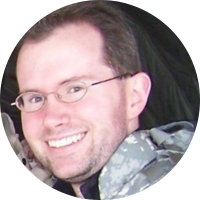
David Bray | United States 2015
Distinguished Fellow, Stimson Center
Chair of the Accelerator, Loomis Council
Since his fellowship, David has led bipartisan work on the geopolitical effects of artificial intelligence, data, quantum computing and other emerging technologies, producing recommendations delivered to Congress and the president. He has also advised NATO on responsible AI and testified before Congress on trustworthy technology. His work translates complex technological risks into practical choices for governments and security alliances. This is important because decisions made now about AI, data and cybersecurity will shape public safety, democratic accountability, economic opportunity and international stability for years to come.
1 of 43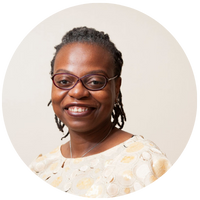
Bosede Afolabi | Nigeria 2014
Professor of Obstetrics and Gynecology, University of Lagos
Director, Centre for Clinical Trials, Research and Implementation Science
Building on her fellowship, Bosede created MamaBase to identify pregnant women in low-income Lagos communities and connect them with skilled care. Its first phase enrolled 7,883 women and achieved a 99.9% maternal survival rate, with maternal mortality far below Lagos and national rates. Eighty percent delivered in health facilities, compared with fewer than 40% nationally. MamaBase brings timely, respectful maternity care to women most at risk of preventable complications and provides a practical model for reducing maternal deaths.
2 of 43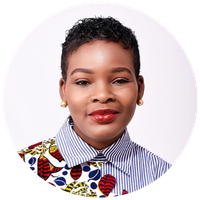
Maame Stephens | Ghana 2022
Executive Director, Kaysens Group
Founder, Kwaaba Foundation
Since her fellowship, Maame has expanded her work strengthening Ghana’s blood supply into a more integrated, community-driven model. The first two campaigns mobilize about 4,500 units of blood annually, and the third initiative engages more than 1,500 people each year. She has also established school-based campaigns, a national blood coordination call center and the Ghana Armed Forces Critical and Emergency Care Blood Bank. By embedding voluntary donation across schools, faith communities, companies and national institutions, her work creates a recurring supply of lifesaving blood and a lasting culture of civic participation.
3 of 43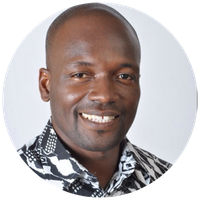
Teddy Totimeh | Ghana 2016
Pediatric Neurosurgeon
Since his fellowship, Teddy has built a sustainable private neurosurgical practice providing emergency and elective services to three hospitals. He has brought international specialists to Ghana for procedures previously unavailable locally, allowing patients to receive complex care without traveling abroad. He has also facilitated the donation of an operating microscope, brought international neurosurgery courses and conferences to Ghana and mentored residents pursuing training and fellowships abroad. His work expands access to highly specialized care, strengthens Ghana’s neurosurgical workforce and demonstrates that advanced medical services can be developed sustainably in a resource-constrained environment.
4 of 43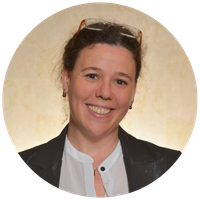
Carolina Carrillo | Argentina 2015
Principal Researcher, National Scientific and Technical Research Council
Since her fellowship, Carolina has helped turn a low-cost molecular testing platform into practical diagnostic products. During the COVID-19 pandemic, NEOKIT launched an Argentine test in 45 days that was used more than four million times at one-third the cost of imported alternatives. In 2025, its neonatal Chagas test received regulatory approval and identified six infected infants missed by the standard testing process during validation. Early diagnosis allows babies to receive treatment while the disease is still curable and gives resource-limited health systems an affordable domestic tool.
5 of 43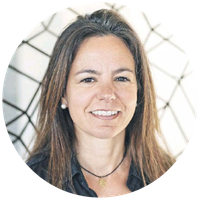
Gracia Carvallo | Chile 2018
Co-Founder and Executive Director, Fundación Ganémosle a la Calle
Since Gracia’s fellowship, the foundation has developed a structured model that uses sports and trained mentors to provide safe after-school environments for children in vulnerable Chilean communities. It has reached more than 5,300 children and currently serves over 850 annually. In a survey of 164 participants, 91% reported spending more time in safe environments, 94% said they were happier and more than 80% demonstrated strong perseverance, self-esteem and teamwork. The work protects children during high-risk hours while strengthening confidence, conflict-resolution skills and community belonging.
6 of 43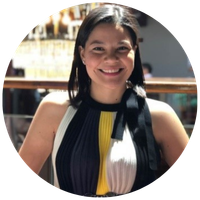
Natalia Bayona and Ángel Cárdenas | Colombia 2020 and Venezuela 2019
Executive Director, World Tourism Organization (UNWTO)
Director of Infrastructure, CAF-Development Bank of Latin America and the Caribbean
Together, Natalia and Ángel created the first tourism investment partnership between the two multilateral institutions. Their initiative has produced investment guidelines for 10 countries, nine international translations and 10 national launches and identified more than 80 projects representing approximately $15 billion in potential investment. The initiative helps governments present credible, investable tourism opportunities that can generate employment, strengthen local businesses and expand economic participation in underserved communities. Their collaboration demonstrates how the Eisenhower network can connect institutions and capital around shared regional priorities.
7 of 43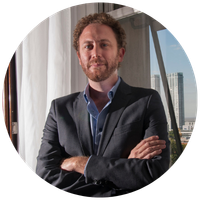
Sebastian Kind | Argentina 2018
Founder and Chief Executive Officer, Renewable Energy Efficiency Partnership (RELP)
Sebastian’s fellowship helped incubate RELP, which now supports governments in 12 countries to create transparent, competitive clean-energy markets. RELP helped Jamaica conduct its first renewable-energy auction, securing 100 megawatts of solar while reducing prices by 27%. Its current portfolio is projected to mobilize $5.6 billion in private investment, add 7.5 gigawatts of clean-power capacity, avoid 240 million tons of carbon emissions and generate $6 billion in fossil-fuel savings. The model helps developing economies attract investment, lower energy costs and build stronger foundations for sustainable growth. Learn more
8 of 43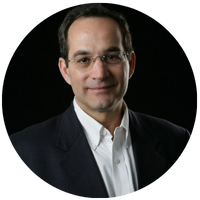
Martin Burt | Paraguay 1994
Founder and Chief Executive Officer, Fundación Paraguaya
Since his fellowship, Martin has created scalable approaches that help families identify and overcome the specific barriers trapping them in poverty. The Poverty Stoplight methodology is now used by more than 1,000 organizations in over 60 countries and has reached more than 600,000 families. In Paraguay during the past five years, 2,840 participating families installed sanitary bathrooms, 5,200 obtained health insurance and 3,404 replaced unsafe cooking arrangements with proper kitchens. Burt also created financially self-sufficient agricultural schools whose 1,207 graduates have achieved a 96% rate of employment, higher education or both. His work combines dignity, family agency and measurable improvements in daily life. Learn more.
9 of 43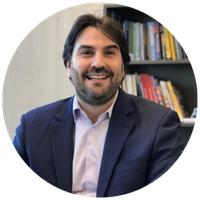
Natalia Bayona and Ángel Cárdenas | Colombia 2020 and Venezuela 2019
Executive Director, World Tourism Organization (UNWTO)
Director of Infrastructure, CAF-Development Bank of Latin America and the Caribbean
Together, Natalia and Ángel created the first tourism investment partnership between the two multilateral institutions. Their initiative has produced investment guidelines for 10 countries, nine international translations and 10 national launches and identified more than 80 projects representing approximately $15 billion in potential investment. The initiative helps governments present credible, investable tourism opportunities that can generate employment, strengthen local businesses and expand economic participation in underserved communities. Their collaboration demonstrates how the Eisenhower network can connect institutions and capital around shared regional priorities.
10 of 43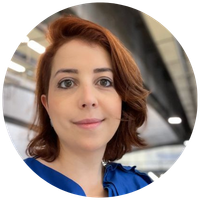
Thais Lazzeri | Brazil 2025
Founder and Director, FALA Impact Studio
Thais’s fellowship project helped build a coalition focused on protecting the integrity of climate information. The initiative contributed to the inclusion of climate information integrity in the COP30 final text, moving misinformation from a communications concern into the formal climate-governance agenda. The FALA Impact Studio’s campaigns reached 2.3 million people, while nearly 1,000 multilingual policy dossiers were distributed and more than 30 articles using its data appeared in more than 19 countries. The project also engaged more than 1,000 people through workshops and convened 120 participants from 30 countries at an international summit. The work helps policymakers and the public distinguish reliable climate information from manipulation that can obstruct effective action.
11 of 43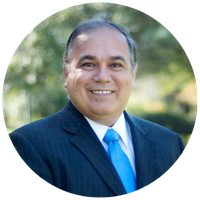
Macedonio Alanis | Mexico 2002
Professor, Tecnologico de Monterrey
Since his fellowship, Macedonio has expanded Latin American participation in information systems research and helped establish advanced technology programs in Puerto Rico and Nuevo Laredo, Mexico. The principal regional conference in his field now includes Spanish- and Portuguese-language presentations and regularly convenes outside the continental United States. Graduates of the programs he helped create largely have remained in their communities as professors, technology leaders and public officials. He also helped launch Honduras’s Educatrachos school technology initiative. His work builds local expertise, reduces brain drain and gives communities the skilled professionals needed for education, government and economic development.
12 of 43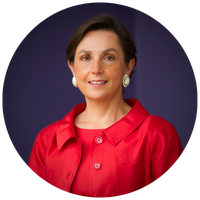
Martha Rivera-Pesquera | Mexico 2010
Professor of Marketing, IPADE Business School
Governing Council Member, Research Center for Women in Senior Management (CIMAD)
Building on her fellowship, Martha has helped establish CIMAD as a national resource on women’s corporate leadership. Its network has presented more than 400 qualified women to companies and helped make 79 board positions available. CIMAD also has documented an increase in women’s representation on the boards of listed Mexican companies from seven percent in 2019 to 13 percent in 2024. The work gives qualified women access to leadership positions while providing businesses and policymakers with evidence needed to remove structural barriers. Learn more.
13 of 43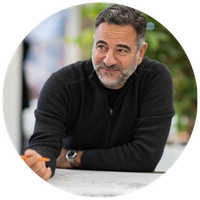
Amr Attia | Egypt 2007
Professor, Urban and Regional Planning, Ain Shams University
Managing Partner, PUD Consultants
In the nearly two decades since his fellowship, Amr has developed his relationships with other Eisenhower Fellows into extensive international collaboration on major planning frameworks for Jeddah, Egypt’s new administrative capital of AlUla and Mecca’s Holy Sites. The AlUla framework and associated guidelines now function as binding planning instruments within a development program exceeding $15 billion. His work in Mina, Muzdalifah and Arafat helps guide movement, safety and development in areas serving more than two million pilgrims during the annual Hajj pilgrimage, demonstrating the far-reaching public value of thoughtful, long-term urban planning.
14 of 43
Nisreen Shahin | Palestine 2011
Chief Executive Officer, Makers Tech4Good
Since launching Makers Tech4Good in late 2023, Nisreen has mobilized engineers, designers and medical professionals to develop affordable assistive devices with people who have disabilities. Makers has engaged more than 1,000 participants, produced dozens of locally designed solutions and reached over 1,000 beneficiaries. Devices including customized braces, eating aids and mobility adaptations can cost 50 percent to 80 percent less than imported alternatives. They allow people to study, eat, move and perform daily tasks more independently, while building Palestinian capacity to solve local problems despite severe resource and movement constraints.
15 of 43
Elise Caluwaerts | Belgium/European Commission 2025
Founder and Managing Director, DeMaestros
Since her fellowship, Elise has expanded the DeMaestros music and storytelling program to five Flemish cities, reaching more than 3,000 children in under-resourced schools. Children write about their experiences and transform their words into songs performed by school choirs. She also created The Now Collective’s ‘twin concert’ model, bringing the same programs performed in major cultural venues to hospitals, care homes and detention centers. The work gives children and isolated audiences opportunities for expression, confidence, belonging and access to cultural life, using the arts to strengthen connection and human dignity.
16 of 43
Annemieke Serlippens | Belgium/European Commission 2015
Investigating Judge, Court of First Instance, Ghent
President, Ghent Drug Treatment Court
Since her fellowship, Annemieke has helped expand the Ghent Drug Treatment Court model and secure its incorporation into Belgian law in 2024. The Recovery Court addresses addiction, aggression and psychosocial problems through supervised treatment rather than immediate imprisonment. An evaluation found reduced recidivism in 80 percent of cases, with three-quarters of participants committing no new offenses during the first 18 months. The model helps addicts address the causes of offending, rebuild their lives and return safely to their communities while strengthening public safety.
17 of 43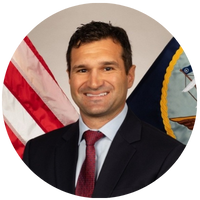
Jordan Foley | United States 2021
Department of Defense Fellow, United States Senate Founder, Let’s Chow
Since his fellowship, Jordan has built a national veteran-focused social enterprise that helps veterans create and operate food-truck businesses with charitable missions. Veteran-led operators generated more than $371,000 in earned revenue beginning in 2025 while producing more than 125,000 meals, including over 12,000 donated to veterans and underserved communities. The program also reports more than 20,000 hours of structured entrepreneurial development. Its model combines business planning, capital support, operational oversight and mentorship to create economic mobility for veterans while expanding food access and community service.
18 of 43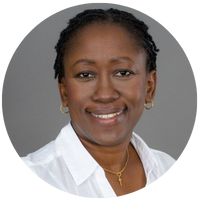
Victoria Marwa Heilman | Tanzania 2016
Executive Director, Tanzania Women Architects for Humanity (TAWAH)
Since Victoria’s fellowship, TAWAH has trained 105 rural women in sustainable construction, helped 20 earn government certification and built 17 low-carbon homes for older people without family support. Its vocational center trained 48 women each year and its mentorship program has supported more than 250 female students and young professionals. A 2026 partnership with UNDP will extend its construction model to participants from five African countries. The work addresses two needs at once: dignified housing for vulnerable people and marketable employment skills for women excluded from the construction industry.
19 of 43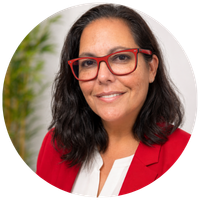
Saffrey Brown | Jamaica 2019
Project Director, Project STAR (Social Transformation and Renewal)
Co-Founder and Chief Executive Office, The Leap Co.
Since her fellowship, Saffrey has designed and led a model that brings together communities, police, government and the private sector to address violence in Jamaica through employment, education, psychosocial support and local leadership. The initiative has engaged more than 10,000 residents, supported workforce programs completed by over 1,100 people and assisted more than 100 entrepreneurs. Across five participating communities, total major crimes fell from 103 to 56 during one measured period, while murders declined from 56 in 2021 to seven in 2025. Project STAR is now receiving government support and offers a promising model for wider replication.
20 of 43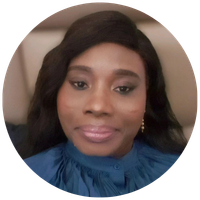
Olanike Adeyemo | Nigeria 2007
Professor, University of Ibadan and Founder, E-AquaHealth
Since her fellowship, Olanike has translated research on fish disease and public health into a digital platform connecting farmers with veterinarians, diagnostic laboratories and verified suppliers. The platform has registered 124 veterinarians and 456 active farms and resolved more than 1,240 cases, while workshops and outreach have engaged 717 people. Earlier diagnosis and qualified advice reduce fish deaths, harmful chemical and antibiotic use and financial losses for small farmers. The model also supports safer food and stronger disease surveillance for the wider population.
21 of 43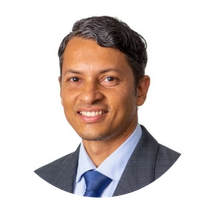
Heminda Jayaweera | Sri Lanka 2021
Executive Director, TRACE
Since his Fellowship, Heminda has expanded TRACE from a Colombo technology park with 15 companies into a network operating in 10 locations and supporting more than 160 companies. TRACE-affiliated businesses now generate over $100 million in foreign revenue annually and include Sri Lanka’s largest concentration of startups. It is also developing incubators, university innovation hubs and a network of more than 500 collaborative workspaces. The work creates opportunities for entrepreneurs outside the capital, supports skilled employment and helps Sri Lanka build a more resilient, export-oriented economy. Learn more.
22 of 43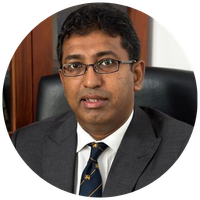
Harsha de Silva | Sri Lanka 2011
Member, Parliament
Since his fellowship, Harsha has spearheaded the creation of 1990 Suwa Seriya, Sri Lanka’s first nationwide free ambulance service. The service includes 322 ambulances and 1,450 staff who respond to about 1,050 incidents and transport approximately 650 emergency patients each day, with a national average response time of just over 13 minutes. The service has responded to 2.4 million incidents and is supported by approximately $17 million in annual government funding. First of its kind in Sri Lanka, it gives every resident and visitor to the island nation rapid emergency care regardless of income, replacing unsafe transportation that previously cost lives or worsened injuries. Learn more.
23 of 43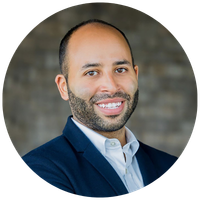 24 of 43
 25 of 43
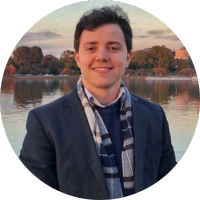
Gustavo Almeida | Brazil 2019
Director of Management and New Business, Invest Minas
Drawing on lessons studied during his Fellowship, Gustavo helped create the Decarbonization Route, an investment-focused strategy covering energy, transport, industry and agriculture. The initiative has identified 158 projects representing approximately $21.4 billion in prospective green investment. During the development of this broader strategy, Minas Gerais expanded installed solar capacity from 571 megawatts in 2019 to more than 14 gigawatts in 2026, attracting a reported $15.8 billion in private investment and creating approximately 7,000 direct jobs. The initiative connects emissions reduction with economic development, particularly in regions that historically attracted little investment.
26 of 43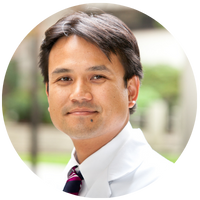
Phuoc Le | United States 2017
Vice Dean, Medical Education, VinUniversity College of Health Sciences
Co-Founder and Board Chair, Arc Health
Phuoc Le’s 2017 fellowship report became the initial proposal for Arc Health, which launched the following year to address medical staffing shortages in rural and tribal communities. Arc Health has since supported more than 750,000 patient visits, placed over 40 permanent physicians and partnered with 60 facilities from Alaska to Maine. Its revenue grew from $100,000 in 2018 to approximately $18 million in 2025. The model improves continuity of care in communities that struggle to recruit clinicians while using a sustainable business structure to support long-term access.
27 of 43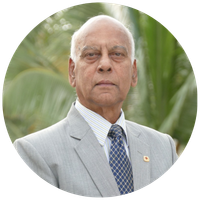 28 of 43
 29 of 43
 30 of 43
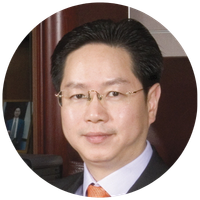
Poujian Chen | China 2006
Chairman and Chief Executive Officer, Ruihua Health Assurance Corporation
Since his fellowship study of the U.S. insurance and reinsurance market, Poujian has built a company focused on supplementary health protection for China’s aging population. Ruihua has developed products addressing advanced-age medical needs, cancer and critical illness, hospitalization and long-term care. These offerings help older adults and their families manage health risks that may not be fully covered through basic systems. Poujian’s work demonstrates how commercially sustainable insurance products can advance social goals, encourage wider industry attention to older consumers and contribute practical experience to the development of a more diversified health-security system.
31 of 43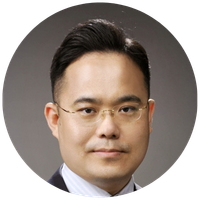
Kyong-Sok Chong | South Korea 2011
Executive Partner, LIWU Law Group
Since his fellowship, Kyong-Sok has pioneered a legal process connecting the U.S. legal discovery system with Korean courts to identify anonymous online perpetrators. His first case established a cross-border method for unmasking a YouTube operator accused of serious privacy and reputational harm. He since has handled more than 70 percent of the Korean applications brought under this procedure in the U.S. District Court for Northern California. The work gives victims a practical means to pursue anonymous abusers and has encouraged platforms, lawmakers and other attorneys to address online harassment and disinformation more effectively.
32 of 43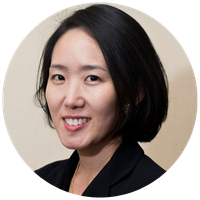
Yuhyun Park | South Korea 2013
Founder and Chief Executive Officer, DQ Institute
Following her fellowship, Yuhyun transformed a regional online-safety initiative into a global digital-literacy movement. The #DQEveryChild initiative trained more than one million children in over 80 countries within three years, reportedly resulting in a ten percent improvement in digital-citizenship scores that correlated with a 15 percent reduction in exposure to online risks. Park also created the Digital Intelligence Framework, which became a global standard for digital literacy, skills and readiness. Her work helps children navigate cyberbullying, exploitation, misinformation and other risks while preparing governments and schools for the AI era. Learn more.
33 of 43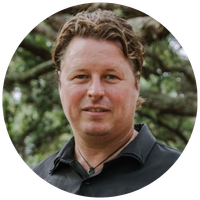
Hayden Smith | New Zealand 2023
Founding Trustee, Sea Cleaners
Since his fellowship, Hayden has worked to develop Sea Cleaners from a local cleanup operation into a measurable model of preventive environmental infrastructure. Its cumulative work has removed more than 20 million liters of waste from New Zealand waterways, with each vessel intercepting about 2,000 liters daily. Audits show that nearly 83% of collected items are plastic and calculate the cost at NZ$0.62 per liter. By capturing plastic before it fragments and reaches the ocean, the model protects marine ecosystems and offers coastal communities a practical approach that can be replicated and funded at scale.
34 of 43
Grace Tam | Australia 2022
Head of Consumer Finance, Clean Energy Finance Corporation
Grace’s fellowship project helped support the creation of a government-backed $1 billion (AUD) Household Energy Upgrades Fund, implemented through eight low-interest lending programs with private financial institutions. By March 2026, more than 4,000 households had used the program, primarily to install rooftop solar and battery systems. Participating households are estimated to save $1,000 to $2,000 (AUD) annually on energy bills, as well as one to four percentage points in borrowing costs. By combining government and private capital, the program makes clean-energy upgrades more affordable while creating a financially sustainable path for household decarbonization. Learn more.
35 of 43
Amanda Morrall | United States 2025
Co-founder and Chief Executive Officer, Ignite Social Impact Summit
Ignite Social Impact Summit connects emerging social-impact leaders with experienced practitioners, mentors and professional networks. Amanda’s fellowship informed a Beijing conference in 2024 that engaged 20 students alongside corporate leaders and Eisenhower Fellow Yiting Ding (China 2024). The summit attracted 187 participants from 48 colleges and universities, featured 59 speakers and received an excellent or very good rating from 90% of attendees. Ignite creates accessible pathways into the social-impact field, strengthens mentorship and collaboration across leadership networks and gives emerging changemakers opportunities to build the relationships, knowledge and confidence needed to advance their work.
36 of 43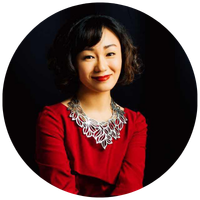
Wei Han | China 2021
Senior Vice President, TusHoldings
Since her fellowship, Wei Han has expanded platforms connecting university research, industry, investment and international markets, with particular emphasis on hard technology, women in STEM and cross-border entrepreneurship. Her China-Brazil initiative has engaged 650 Brazilian entrepreneurs, connected 50 Chinese companies with Brazilian partners and supported six intergovernmental agreements. TusStar’s Malaysian base has incubated approximately 200 enterprises, while its Shanghai platform serves more than 5,000 Tsinghua alumni and has supported nearly 1,000 alumni-founded businesses. Her work opens pathways for entrepreneurs, links emerging companies with global resources and strengthens international innovation partnerships.
37 of 43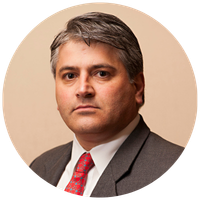
Mehmet Daimagüler | Germany 2012
Human Rights Lawyer and Board Member, Foundation Against Racism
Since his fellowship, Mehmet has represented victims of neo-Nazi violence and Holocaust survivors and served as Germany’s first federal commissioner addressing discrimination and abuse against Gypsies and the concerns of the Sinti and Roma communities. In that role, he established coordination among the federal government, eight ministries and all 16 German states. He also developed a national network of more than 60 lawyers offering legal and psychosocial assistance to hate-crime victims. His work gives marginalized families representation, public recognition and a path to justice while strengthening institutions capable of confronting structural racism.
38 of 43 39 of 43

Ifeoma Malo | Nigeria 2015
Co-founder and Chief Executive Officer, Clean Tech Hub and Energy Innovation Center
Since her Fellowship, Ifeoma has expanded programs combining women’s economic empowerment, clean-energy adoption, microcredit and circular-economy enterprises in underserved Nigerian communities. Projects implemented since 2022 have trained women and young people in entrepreneurship, financial management, clean technology and plastic recycling while establishing five community-owned cooperatives. The initiatives have reached more than 1,500 direct beneficiaries, trained more than 500 youth, supported more than 1,000 women-led microenterprises, delivered over 30 renewable-energy projects and avoided an estimated 1,500 metric tons of carbon emissions. The community-ownership model is designed to create lasting local economic and environmental benefits.
40 of 43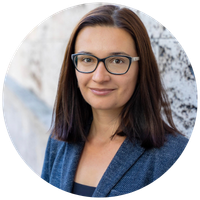
Cristina Gherasimov | Moldova 2023
Deputy Prime Minster for European Integration
Chief Negotiator for Accession to the European Union
Government for the Republic of Moldova
Within three months of completing her fellowship, Christina took office and established a government-wide system to coordinate reforms and measure progress. Moldova subsequently completed reviews covering all 33 chapters of EU law and more than 100,000 pages of legislation. Integration measures are already reducing international transfer fees and expanding consumer protections and roaming benefits. Her work matters because EU accession requires concrete improvements in government accountability, economic opportunity and public services for Moldova’s entire population.
41 of 43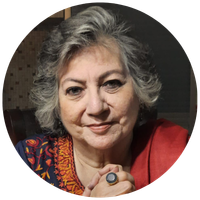
Moneeza Hashmi | Pakistan 1995
Director, Greenstar Social Marketing
Founding Member, Faiz Foundation Trust
Moneeza has applied the media and institutional lessons of her fellowship to a project preserving Hazara cultural heritage while creating livelihoods. The initiative trained 366 artisans, featuring substantial participation by women, and sold more than 350 handcrafted products that generated over PKR 600,000 in income. It also documented endangered crafts, food traditions and oral histories and engaged more than 1,000 students and community members. The project helps marginalized artisans earn income while ensuring that their identity, traditions and knowledge are not lost. Learn more.
42 of 43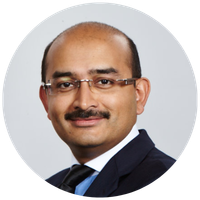
Malik Ahmad Jalal | Pakistan 2017
Chief Executive Officer, Cordoba Care Institute of Nursing and Allied Health
Since founding the institute in 2021, Malik has created more than 12 employment-linked health programs, graduated over 500 students and placed more than 450 in clinical jobs. A graduate survey found 82% of graduates were employed or self-employed, while many secured work soon after completing their studies. Half the students are women and most come from low-income families. The institute simultaneously gives young people stable careers and supplies nurses, paramedics and other frontline workers to a health system facing a shortage of more than one million professionals.
43 of 43